
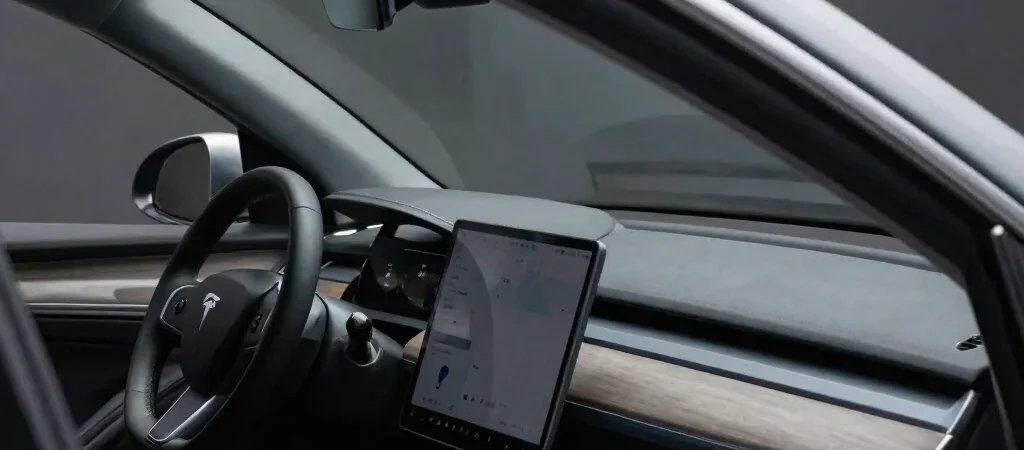
The first photo of a redesigned car usually gives you the front end and little else. But the useful questions come after the reveal: Did the cabin become easier to use? Did the powertrain lineup change? And is the new model genuinely different from the one it replaces?
Start with what changed
A model update can range from revised styling and equipment to a new generation with major changes underneath. Read the manufacturer’s announcement for the basics, then compare the new model’s dimensions, engine choices, and standard features with the previous version. That makes it easier to separate a substantial update from a mostly visual refresh.
Pay close attention to what is included on each trim. A large display in a launch photo does not tell you whether it is standard, optional, or limited to a more expensive version.
Give the cabin a real test
Screens draw attention, but the small interactions matter too. Look for how climate settings, audio volume, and common vehicle controls are handled, then consider whether the layout feels clear from the driver’s seat. A polished cabin image cannot answer that on its own.
For cars used by families or commuters, check rear-seat access and cargo space alongside the dashboard. If the vehicle is available to see in person, bring a child seat or the bag you carry most often; practical fit can be hard to judge from a specification sheet.
Keep model years straight
Automotive coverage often mixes launch details, future model-year plans, and specifications for vehicles already on sale. Confirm the model year and trim before relying on a feature or measurement, especially when reading an early announcement. The most useful redesign story is the one that tells you what changed—and what still needs checking on the exact car.