
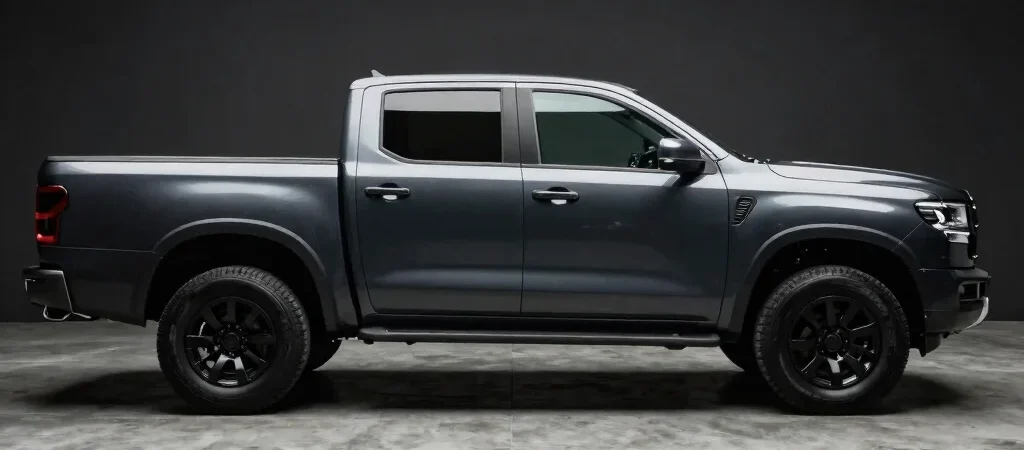
A pickup can spend Monday carrying tools, Friday commuting, and the occasional weekend towing a trailer. That mix is why the newest gas, hybrid, and electric trucks should be compared against a real routine—not treated as interchangeable answers to the same question.
Separate towing from payload
Towing capacity and payload describe different limits. A trailer’s weight is not the only load to consider: passengers and cargo in the truck also count toward payload. Before comparing trucks, write down what you expect to carry and tow, then check the rating for the exact cab, bed, drivetrain, and equipment configuration.
The headline figure is not a promise that every version can reach it. Read the manufacturer’s specifications and the truck’s own door-jamb label, and leave room for the people and gear that travel with you.
Match power to daily miles
A conventional gas truck keeps refueling straightforward for drivers who cover long distances or work far from regular charging. A hybrid pickup may suit someone who wants a familiar refueling routine but is also comparing electrified options. An electric truck asks a different practical question: where and when can it be charged, especially on towing days?
Charging access matters as much as the advertised range. If a truck will tow beyond familiar routes, consider charging stops, trailer-friendly access, and how much flexibility your schedule allows rather than assuming every trip will resemble an unloaded commute.
Compare the exact truck
Start with the truck’s job, then narrow the choice by cab, bed, and powertrain. Check the current model-year specifications for the configuration you want; equipment and ratings can change across versions. A good comparison is not the truck with the most impressive headline figure. It is the one whose limits and daily logistics fit your actual week.