
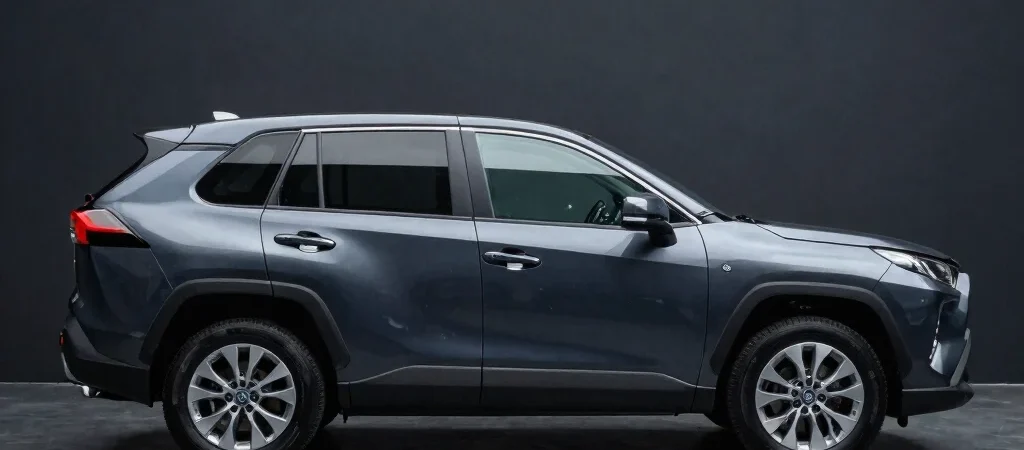
A familiar nameplate can still bring a meaningful change. For the 2026 U.S. RAV4, Toyota has made the lineup hybrid-only, with both conventional hybrid and plug-in hybrid versions. The decision shifts the first question from “Should I get the hybrid?” to “Which kind of hybrid fits my driving?”
Two different hybrid choices
A conventional hybrid charges its small battery while you drive and refuel as usual. A plug-in hybrid adds the option to charge from an external power source, which can make sense for drivers who can charge regularly and want to use electric driving for some trips.
That distinction matters more than the shared hybrid label. If home or workplace charging is inconvenient, the conventional hybrid may be the simpler fit; if charging is easy to build into your routine, the plug-in deserves a closer look.
Look beyond the powertrain
A redesigned vehicle is more than a new front end. Compare the versions you are actually considering for cargo layout, rear-seat space, included equipment, and the controls you will use every day. For family trips, try the car with your own stroller, sports gear, or luggage in mind rather than relying on a trim name.
The window sticker and the current owner’s guide are better references for equipment and charging details than a headline or an old model-year review. Features can vary across trims, so check the specific version before treating a feature as standard.
Start with your routine
The 2026 RAV4 lineup makes electrification the default, but it does not make every version right for every driver. Start with how you refuel or charge, then compare the space and equipment you need. That is a more useful way to read this redesign than judging it by its new look alone.